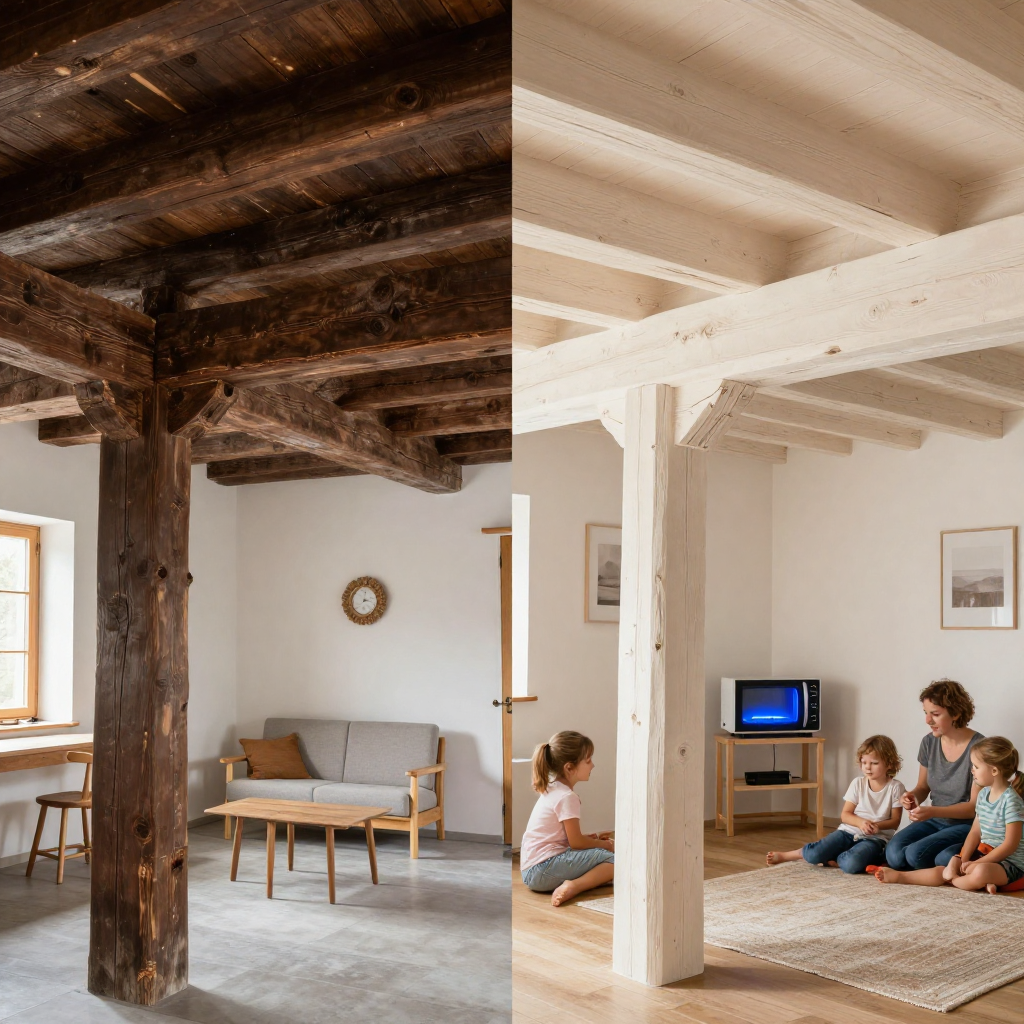
Wood is one of the world’s most durable and versatile building materials, but it is also vulnerable to attack by wood-boring beetles. These insects are responsible for countless cases of timber damage in homes, historic buildings, furniture, barns, and commercial properties. Because much of the damage occurs out of sight, infestations often go unnoticed until the wood begins to weaken or visible signs appear.
Understanding the lifecycle of wood-boring beetles is the first step toward preventing serious structural damage. By knowing how these insects develop and why they are so difficult to detect, property owners can make informed decisions about protecting their timber. Shashel offers an innovative, chemical-free microwave treatment designed to eliminate wood-boring insects at every active stage of their lifecycle, helping preserve valuable wooden structures.
What Are Wood-Boring Beetles?
Wood-boring beetles are a group of insects whose larvae feed inside wood. While the adult beetles generally live only a short time, their larvae spend months—or even years—tunneling through timber as they grow.
Several species are commonly associated with woodworm damage, including:
- Common furniture beetles
- Deathwatch beetles
- House longhorn beetles
- Powderpost beetles
Although their behavior varies slightly by species, they all follow a similar lifecycle that includes eggs, larvae, pupae, and adult beetles.
The term “woodworm” actually refers to the larval stage rather than the adult insect.
Stage 1: Egg Laying
The lifecycle begins when adult female beetles search for suitable places to lay their eggs.
They typically choose:
- Small cracks in timber
- Existing exit holes
- Rough wood surfaces
- Unfinished wood
- Damp or moisture-damaged timber
Depending on the species, a female may lay dozens of eggs during her lifetime.
Because the eggs are tiny and hidden within the wood, they are rarely noticed during routine inspections.
Stage 2: The Larval Stage
The larval stage is the most destructive part of the beetle’s lifecycle.
After hatching, the larvae burrow deep into the timber and begin feeding on cellulose, the main structural component of wood.
As they grow, they create an extensive network of tunnels inside the timber while remaining hidden beneath the surface.
This stage can last:
- Two to three years for some species
- Four to five years for others
- Even longer under certain environmental conditions
Since the larvae remain concealed throughout this period, significant internal damage may occur long before any external evidence becomes visible.
This is why Shashel focuses on treatment methods capable of reaching insects deep inside the wood rather than treating only the surface.
Stage 3: Pupation
Once the larvae have completed their development, they transform into pupae inside specially prepared chambers near the surface of the wood.
During this stage:
- Feeding stops.
- The insect undergoes its final transformation.
- Adult body structures develop.
Although this phase is relatively short compared to the larval stage, the insects remain protected inside the timber.
Stage 4: Adult Beetles
When development is complete, adult beetles chew their way out of the timber, creating the familiar small round exit holes seen in infested wood.
The adults emerge primarily to:
- Mate
- Lay eggs
- Continue the lifecycle
Unlike the larvae, adult beetles generally do not feed extensively on structural timber.
Their lifespan is often measured in weeks rather than years, but they are responsible for starting new generations of infestation.
Why Wood-Boring Beetles Are Difficult to Detect
One reason woodworm infestations become serious is that most of the insect’s lifecycle occurs inside the timber.
Common warning signs include:
- Small round exit holes
- Fine wood dust (frass)
- Weak or brittle timber
- Hollow-sounding wooden beams
- Adult beetles appearing during warmer months
Unfortunately, by the time these signs become obvious, larvae may have already been feeding inside the wood for years.
Regular inspections are therefore essential, particularly in older properties or buildings containing untreated timber.
Conditions That Encourage Infestations
Wood-boring beetles prefer environments that support successful egg laying and larval development.
Factors that increase the risk include:
- High humidity
- Poor ventilation
- Water leaks
- Damp timber
- Untreated wood
- Older wooden structures
Keeping timber dry and well maintained significantly reduces the likelihood of future infestations.
Why Traditional Treatments Have Limitations
For many years, woodworm infestations have been treated with chemical insecticides.
While these products can help protect exposed timber, they may not always reach larvae hidden deep inside thick wooden beams.
Other limitations may include:
- Surface penetration only
- Chemical residues
- Strong odors
- Multiple treatment applications
- Environmental concerns
These challenges have encouraged the development of alternative technologies capable of targeting insects throughout their hidden lifecycle.
How Microwave Technology Interrupts the Lifecycle
Microwave treatment uses carefully controlled electromagnetic energy instead of chemical pesticides.
Wood-boring larvae contain significantly more moisture than seasoned timber. As microwave energy passes through the wood, moisture inside the insects absorbs the energy and heats rapidly.
Once a lethal temperature is reached, the insects are eliminated.
This process can affect:
- Eggs
- Larvae
- Pupae
- Adult beetles located within the treated timber
By interrupting the lifecycle before new adults emerge and reproduce, Shashel microwave technology helps stop infestations from continuing.
Why Chemical-Free Treatment Matters
Many property owners today prefer treatment methods that combine effectiveness with environmental responsibility.
Microwave technology offers several advantages:
- No pesticides
- No toxic fumigants
- No chemical residues
- No lingering odors
- Deep penetration into timber
- Targeted treatment of active infestations
These benefits make Shashel an attractive solution for residential homes, commercial buildings, historic properties, museums, churches, and antique furniture.
Preventing Future Woodworm Problems
After eliminating an active infestation, preventive maintenance helps protect timber for years to come.
Property owners should:
- Repair roof and plumbing leaks promptly.
- Maintain good ventilation.
- Reduce indoor humidity.
- Keep structural timber dry.
- Inspect wooden structures regularly.
- Address signs of beetle activity early.
Routine maintenance reduces the conditions that attract wood-boring beetles and supports long-term timber preservation.
Conclusion
Wood-boring beetles may be small, but their lifecycle allows them to cause significant damage while remaining hidden inside timber for years. Understanding each stage—from egg to larva, pupa, and adult—helps explain why early detection and effective treatment are so important.